Renewable Offshore Energy
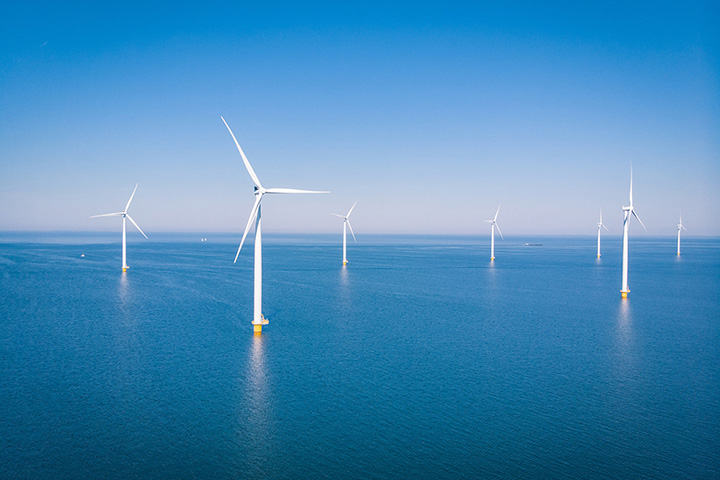
Photo by Fokke Baarssen
Overview
Climate change will continue to have profound and existential impacts on marine wildlife and their habitats, and nonrenewable ocean energy extraction, such as offshore drilling for oil and gas, can decimate marine ecosystems through oil spills and pollution. Renewable energy is urgently needed to fight the climate crisis and avoid the adverse impacts of energy extraction, yet as efforts are made in the United States and elsewhere to turn away from fossil fuels and toward renewable energy, policymakers must seek to minimize negative impacts to marine wildlife from the development of new infrastructure projects. Marine wildlife and renewable energy development can and must coexist, but only if the needs of marine wildlife are considered at the outset.
Take Action Now: “God Squad” Seeks to Override Protections for Vulnerable Species Take Action Now: Act Now to Protect Ocean Life from Offshore Oil and Gas Development Take Action Now: Stop Congress from Gutting the Marine Mammal Protection ActOffshore wind energy has become a focal point of the renewable energy transition. If not done responsibly, all stages of offshore wind development—including siting, construction, and operation—can introduce threats into the marine environment, including noise pollution, vessel traffic, entanglements, and hydrodynamic changes. Some of the most vulnerable marine species, such as the critically endangered North Atlantic right whale, may not persist long enough to reap the climate benefits from renewable energy development if such development is not done with the utmost care and consideration. In addition, wildlife conflicts can slow down project implementation, delaying the inevitable climate benefits. Therefore, it is important that these impacts are addressed through comprehensive planning and commonsense protections.
Promoting Responsible Offshore Wind Development
Irresponsible offshore wind development can adversely impact marine life in a number of ways, including the following:
- Noise exposure: Noise is involved in all stages of offshore wind development, from site assessment surveys to wind turbine construction. Alternative construction materials such as gravity-based foundations and mitigation measures such as seasonal construction windows can drastically reduce the negative impacts to marine wildlife.
- Vessel interactions: Increased vessel traffic associated with offshore wind projects raises the risk of vessel strikes—already a leading cause of marine mammal and sea turtle mortality in the United States and globally. Mandatory speed limits on project vessels can virtually eliminate the risk of vessel strikes from offshore wind projects.
- Entanglement: Floating offshore wind turbines—which are attached to the seafloor via mooring lines—have the potential to entangle marine life such as whales and sea turtles. While there have been no documented cases of marine life becoming entangled in floating offshore wind turbines to date, experience with similar infrastructure suggests that the same risks will apply, underscoring the importance of proper siting and design to reduce entanglement risk.
In order to protect the future of marine ecosystems and their inhabitants, AWI supports the implementation of science-based, commonsense protections during all offshore wind projects. As we fight climate change, we can and must avoid, minimize, and mitigate threats to marine wildlife from the development of renewable energy projects, including offshore wind.
Correcting Misinformation About Offshore Wind and Whales
As the offshore wind industry has progressed in the United States, misleading and inaccurate claims about the impacts of offshore wind on whales have proliferated. While potential impacts from offshore wind development do exist, these impacts have been overblown and science-based mitigation measures shortchanged. Furthermore, independent scientists and natural resource managers have found no link between offshore wind activities and whale deaths.
Such misinformation both hinders progress to secure the protections actually needed for marine wildlife during offshore wind development and diverts attention away from the known greatest threats to marine mammals: entanglements and vessel strikes. The reality is that offshore wind can and must proceed responsibly, in order to protect the future of marine ecosystems and their inhabitants.
Human Activities and Threats
Recent News and Articles