Humane Education

Overview
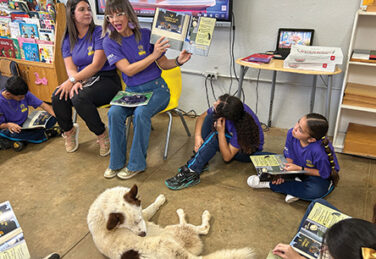
AWI aims to foster respect for all living beings and an understanding of the positive impact that compassionate attitudes and behaviors can have on animals, the environment, and ourselves. We seek to empower students of all backgrounds to improve the lives of animals. We encourage educators to develop lesson plans that help students understand and appreciate animal life and use teaching methods that do not contribute to animal suffering or harm to wild species.
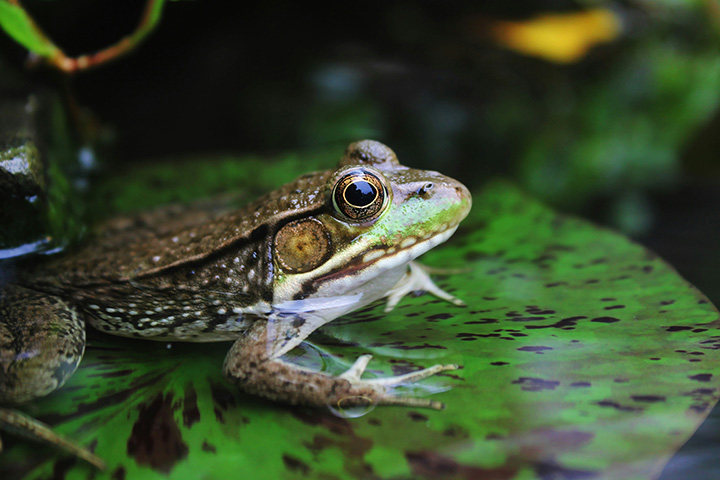
Humane education can be defined as the teaching of compassion and empathy for all living beings and respect for their habitats. AWI encourages educators to teach about biological and ecological processes in a manner that instills a greater respect for animals and avoids methods that treat animals as disposable commodities. More than 12 million animals, including frogs, cats, rats, fetal pigs, fish and a variety of invertebrates are used for dissection in the United States each year.
State-specific Laws
A number of states require schools to provide alternatives for students who do not wish to participate in animal dissection. Learn about the specific laws regarding dissection opt-outs and other humane education requirements in your state.
What You Can Do
The study of animals in their natural habitats can be particularly educational for students and can even be done in urban environments—such as observing birds at feeders, squirrels in parks, and insects on plants. In an effort to connect children with the natural world, some classrooms have made pets out of animals such as hermit crabs, reptiles, amphibians, and small mammals. However, these animals don’t always receive adequate care, and some are taken from the wild in a manner that is inhumane and ecologically harmful (e.g., read more in the AWI Quarterly about the problems associated with hermit crabs in captivity). Instead of purchasing animals for the classroom, teachers and students can set up temporary habitats in the classroom to study smaller invertebrates found locally, such as earthworms and insects—animals whose natural habitat and behavioral needs may be more easily provided in captivity and who can be released following the classroom observations. Learn more about a variety of alternative methods designed to replace dissection.

Free Educational Resources
AWI promotes humane education by offering publications and activities for children of various ages and providing resources for alternatives to dissection. Learn more about our free publications for libraries, shelters, and teachers. Explore the lesson plans and activities AWI offers in tandem with our publications for children.
Latest AWI Quarterly Humane Education Articles
See All Humane Education AWI Quarterly Articles