Oil and Gas Drilling
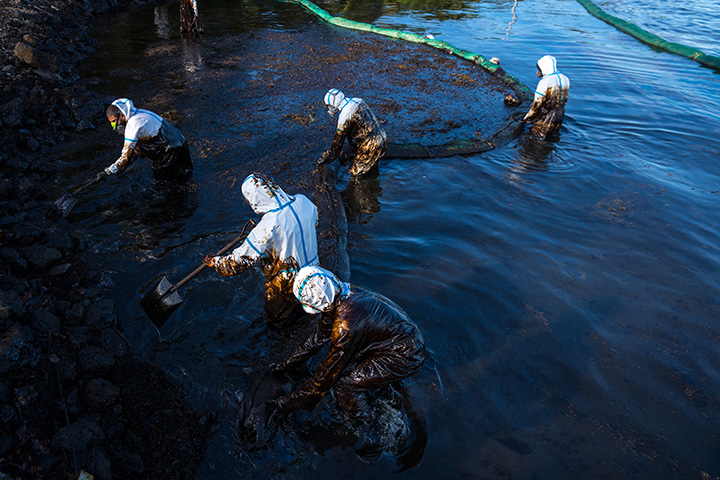
Photo by ohrim
Overview
Offshore drilling, or the process of extracting oil and natural gas from beneath the ocean floor, threatens our ocean and coastal ecosystems at every stage of development and results in emissions that worsen the climate crisis. For decades, the marine environment has taken the brunt of impacts from oil and gas activity, from noise pollution to oil spills.
Take Action Now: “God Squad” Seeks to Override Protections for Vulnerable Species Take Action Now: Act Now to Protect Ocean Life from Offshore Oil and Gas Development Take Action Now: Stop Congress from Gutting the Marine Mammal Protection ActOffshore oil and gas development begins with seismic exploration, where deafening sound waves are used to locate subsurface deposits. If promising reserves are found, huge rigs are constructed to conduct exploratory drilling, followed by production drilling. These processes involve cutting and cementing machinery into the seabed, discharging drilling muds to extract oil/gas, and pumping it through pipelines for distribution. Finally, decommissioning involves plugging wells and removing or repurposing the infrastructure. Each stage of development poses severe risk to the marine environment, from oil spills and other pollution events, air emissions, noise pollution, vessel traffic, marine debris, light pollution, benthic disturbance, and more.
The Risks of Catastrophic Oil Spills and Chronic Pollution
Among the most devastating risks from oil and gas activity are the risks of oil spills—both acute and chronic. Marine mammals, sea turtles, and seabirds are particularly vulnerable to oil exposure, experiencing immediate and long-term health effects like suffocation, hypothermia, organ failure, respiratory illness, gastrointestinal and liver damage, reduced growth, reproductive issues, and starvation. In addition to effects of oil exposure, actions taken to contain and clean up spills (e.g., the use of toxic dispersants, heavy machinery, at-sea burns, vessels, etc.) pose significant risks to wildlife. Long-lived animals such as cetaceans, sea turtles, and deep-sea corals have pronounced difficulty recovering from these events.
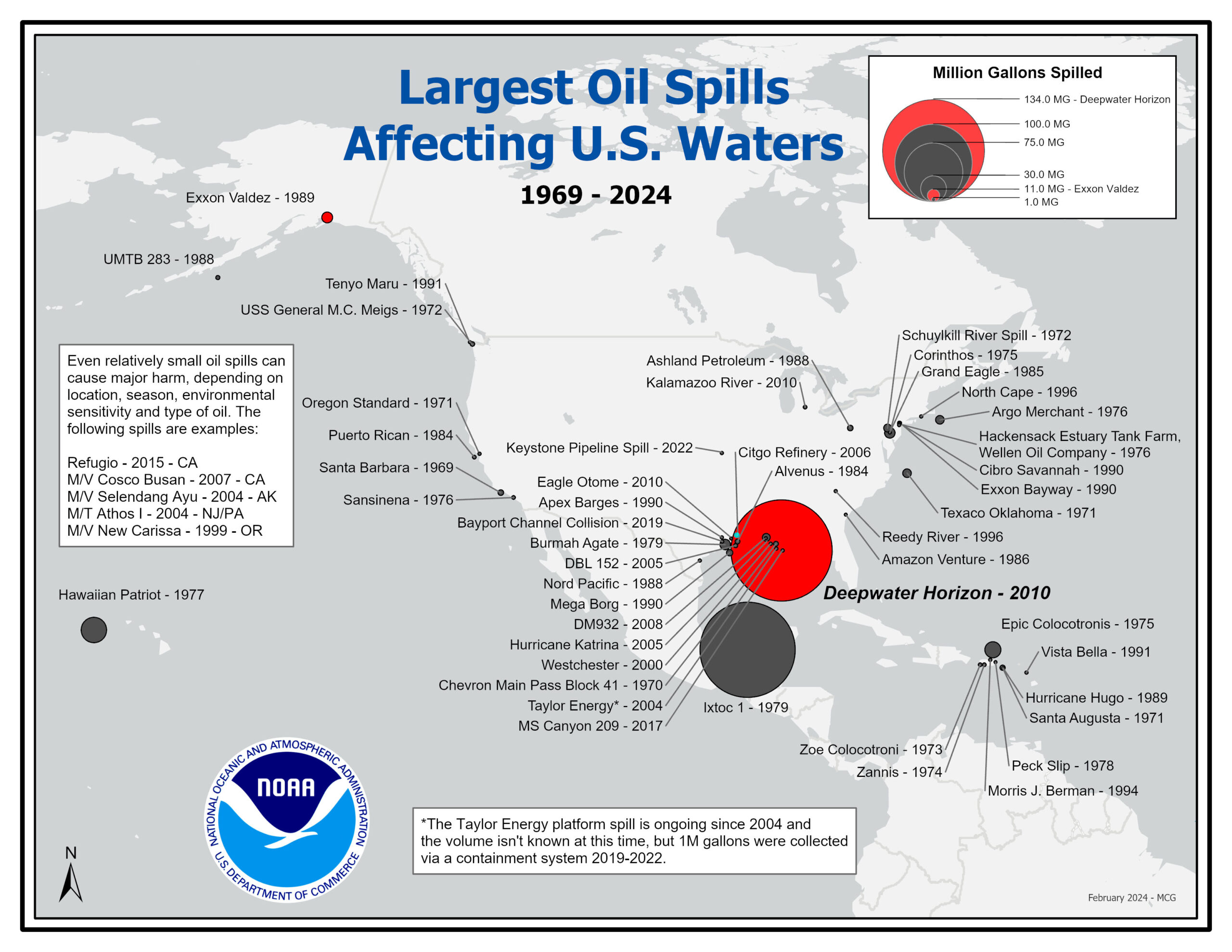
The 2010 BP Deepwater Horizon disaster in the Gulf of Mexico was the largest offshore oil spill in US history, killing 11 workers and pouring 134 million gallons of oil into the sea over 87 days, covering more than 42,000 square miles of the ocean surface, and damaging 1,300 miles of wetlands and coastline. Despite tens of billions of dollars spent on remedial efforts, significant environmental scars from this tragedy remain to this day. The spill killed hundreds of thousands of sea turtles, dolphins, whales, and seabirds, including many members of endangered species. The Rice’s whale, one of the most endangered whales on the planet, lost about 22 percent of its population from the spill, and industrial activity remains a primary threat to the species’ survival. Animals that were not killed suffered severe health impacts, such as birth defects, pregnancy failures, heart disease, impaired stress response, immune system dysfunction, and more. In deeper waters, the spill inflicted long-lasting harm on deep-sea species, including slow-growing corals that are still struggling to recover.
Although the Deepwater Horizon spill was particularly devastating, it was not unprecedented. In fact, catastrophic spills are common across the Outer Continental Shelf at all stages of development, even after decommissioning. The 1989 Exxon Valdez oil spill in Prince William Sound, Alaska, released nearly 11 million gallons of oil into a remote and biologically rich ecosystem, killing an estimated 250,000 seabirds and thousands of sea otters, seals, and salmon. Some orca and seabird populations have never fully recovered, and subsurface oil persists today. The 1969 Santa Barbara and 2015 Refugio Beach spills together affected over 90 miles of California coastline and 935 square miles of ocean, an area almost twice the size of Los Angeles. These examples account for only a few of the many large and catastrophic oil spills from recent history.
Even in the absence of major spills, chronic leaks and small spills are regular occurrences during the life of an offshore oil rig. Between 2010 and 2022, more than 7,300 oil spills occurred in federal waters, an average of over a spill a day, endangering sensitive coastal and marine ecosystems. These slow leaks can occur even after a rig is decommissioned. Oil and gas activity also results in high levels of other toxic materials such as untreated water, drilling muds, and drill cuttings, harming life near the ocean floor.
In addition, the refineries, pipelines, and general infrastructure constructed onshore to transport and process offshore oil and gas contributes additional chronic pollution to coastal habitats. The refineries also emit hazardous air pollutants such as carbon monoxide and sulfur dioxide into the coastal environment and produce thermal pollution that disrupts aquatic ecosystems.
Seismic Airgun Blasting and Its Impact on Marine Animals
It’s not just offshore drilling that threatens marine ecosystems—searching for oil and gas through seismic airgun surveys can itself be dangerous. Seismic airgun surveys—used to locate potential undersea oil and gas deposits—produce some of the loudest sounds humans release into the ocean. Natural sounds are fundamental elements of the marine environment, and many marine species rely on sound for vital life functions such as communication, navigation, foraging, mating, and avoiding predators. The noise from seismic blasts can travel underwater nearly 2,500 miles from the source, disrupting, injuring, or killing untold numbers of marine animals from zooplankton to whales.
Marine mammals are particularly susceptible to harm from seismic blasts. Seismic airgun noise can cause auditory injury, hearing loss, and chronic stress; interfere with communication; and sometimes lead to stranding and death. For example, noise has been linked to chronic stress in critically endangered North Atlantic right whales. Chronic stress can impact growth and suppress immune system functioning and reproduction, which is particularly problematic for already vulnerable and health-compromised populations. Marine mammals exposed to seismic blasts may also alter important behaviors. They may change breathing, diving, and vocalization patterns and be displaced from important areas. In addition, seismic surveys can wipe out zooplankton and fish communities, decreasing or eliminating important food sources for marine mammals.
Fossil Fuels and the Climate Crisis
In addition to the localized impacts from offshore drilling, greenhouse gas emissions associated with extraction and subsequent burning of fossil fuels pose a global threat to marine wildlife by contributing to climate change. Climate-related impacts include ocean warming, sea level rise, ocean acidification, and intensified storm activity, all of which threaten the conservation and welfare of marine animals globally.
AWI is working at the state and national levels to protect our oceans and climate from further offshore drilling and seismic testing. We regularly monitor plans from the administration and Congress to pursue such activities, responding with comments to proposals when necessary. Our scientists coordinate with policymakers and other NGOs seeking to prevent such a substantial threat to our treasured marine life and coastal communities.
Human Activities and Threats
Recent News and Articles