Bycatch and Entanglement
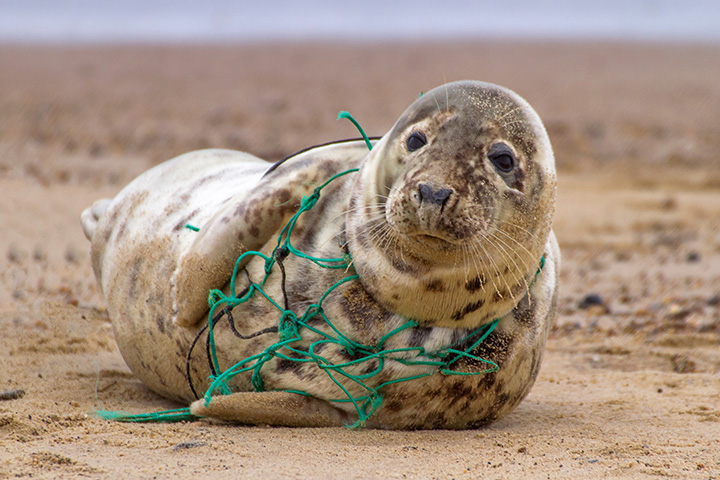
Photo by Kevin
Overview
Bycatch is one of the greatest conservation threats to marine wildlife populations and ocean ecosystems globally. Bycatch refers to animals that have been unintentionally entangled, entrapped, ensnared, caught, or otherwise affected by nets, lines, traps, hooks, or other fishing gear. Bycatch often occurs as a result of destructive and indiscriminate use of certain fishing gear such as longlines, gillnets, and trawls. Both large-scale and small-scale fisheries are responsible for bycatch of marine wildlife.
Take Action: Stop Congress from Gutting the Marine Mammal Protection ActBycatch is contributing significantly to the global decline of many marine wildlife populations, including sharks, marine mammals, and sea turtles. Each year, approximately 50 million sharks, more than 650,000 marine mammals, and around 250,000 sea turtles are caught and killed in fishing gear around the globe. For some species, such as the vaquita porpoise, oceanic whitetip shark, and North Atlantic right whale, bycatch or entanglement in fishing gear is the most significant threat to their survival, putting them in danger of extinction.
Bycatch is not only a conservation problem but also poses serious animal welfare concerns. Nontarget animals may drown within minutes (particularly air-breathing mammals and turtles), be tossed overboard to die from their injuries. Bycatch can cause serious injuries, including abrasions, cuts, broken bones, infections, and even amputations. Suffering can be prolonged, with some animals dragging gear for weeks or even months after the event. Entanglements around blowholes or mouths can prevent animals from breathing or feeding, contributing to malnutrition or slow starvation. Increased energy expenditure and chronic stress can lead to long-term health effects and reduce the ability of animals to reproduce.
“Ghost fishing”—involving gear drifting in the ocean that has been lost or abandoned by fishers—is a particularly problematic type of bycatch. Since modern fishing gear is increasingly made of strong and resistant materials, it can linger in the environment, entangling marine life for months to years.
As climate change causes marine wildlife populations to alter their feeding and migration patterns, populations may be led into areas of greater fishing concentration that lack protective measures, intensifying the challenge of mitigating bycatch.
Fishers employ a wide variety of gear that poses varying degrees of entanglement threats. The highest-risk gear types include gillnets, purse seines, and trawls, as well as longlines and the vertical buoy lines associated with traps/pots. Shrimp trawls, for example, are notorious for their high level of bycatch, dragging weighted nets along the seafloor to sweep up everything in their path. This method is indiscriminate, uncontrollable in the numbers of organisms netted, and extremely destructive to benthic communities, catching fish, crustaceans, endangered sea turtles, and a host of other animals.
AWI works to address bycatch on a global scale, including by capacity building, supporting the implementation of various bycatch mitigation measures, and working to advance wildlife protections through laws and policies. For example, AWI has submitted comment letters supporting protections that reduce bycatch and entanglements off the US West Coast and the US East Coast and Canada. Temporary fishing restrictions and gear modifications such as “bycatch reduction devices” and “turtle excluder devices” greatly reduce unintended bycatch. Unfortunately, laws and their enforcement mandating these devices vary greatly across nations.
Take Action for Marine Wildlife

Stop Congress from Gutting the Marine Mammal Protection Act
For over 50 years, the Marine Mammal Protection Act (MMPA) has safeguarded marine mammals from harm, preventing population declines and accelerating their recovery. By aiming to ensure that these animals remain at sustainable levels and continue to play vital roles in their ecosystems, the MMPA has been instrumental in marine conservation. Yet, despite its successes and long-standing bipartisan support, the law faces the most serious threat in its long history—draft legislation that, if enacted, would gut its core protections at a time when marine mammals need them most. Please write your members of Congress and urge them to defend this bedrock law and the remarkable species it protects.
Fish and Fisheries
Recent News and Articles