Lead Ammunition
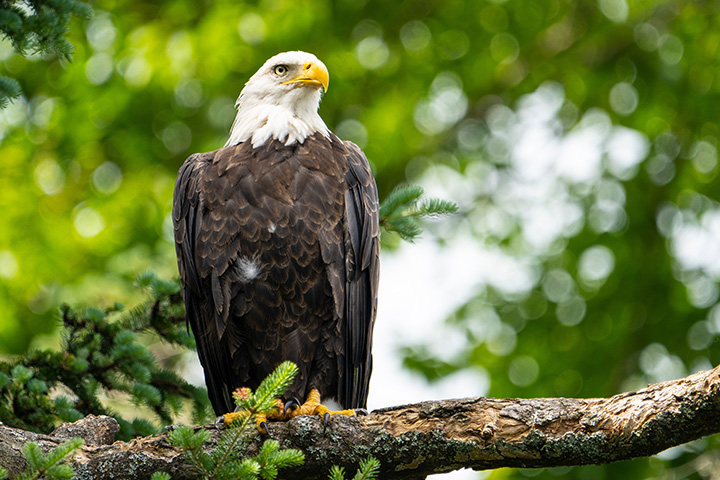
Photo by RLS Photo
Overview
Lead-based hunting ammunition and fishing tackle cause cascading harm to wildlife, humans, and the environment. Each year, millions of animals die of lead poisoning, including threatened and endangered species—unintended victims of the hunting and fishing industries.
Take Action: Protect Wildlife from Toxic Lead AmmunitionHunters often leave partial carcasses from the animals they have shot with lead bullets, and scavenging animals readily consume what they see as an easy meal. Lead weights and sinkers lost by anglers may be inadvertently eaten by foraging wildlife, especially birds. Wildlife cannot shop for lead-free food or know whether they drink lead-free water.
Risks to Wildlife
Animals suffering from lead poisoning can endure a long, painful death, often involving profound weakness, tremors, emaciation, paralysis, and organ failure. Some of the most devastating effects occur in young animals, such as impaired development of the brain, anemia, decreased growth rates, and increased mortality in hatchling birds.
While we have known of the dangers of lead for thousands of years, the hunting and fishing industries still embrace the use of lead in ammunition and fishing tackle despite the widespread availability of affordable non-lead alternatives. Although the United States has banned this dangerous metal from virtually all consumer products—from toys to paint to gasoline—ammunition from hunting is considered one of the largest unregulated sources of lead knowingly discharged into the environment.
When a hunter shoots an animal, the bullet splinters into tiny fragments that scatter throughout the body. Once the animal is dead, hunters will typically gut the carcass and dump a pile of internal organs and entrails on the ground, which attracts scavengers and predators. Bullets that miss their mark linger in the environment, with lead leaching into the soil and water—poisoning other wildlife.
Poisoning from lead bullets and shot has been documented in hundreds of scientific papers covering a wide variety of species, including red-tailed hawks, sandhill cranes, coyotes, black bears, trumpeter swans, bald eagles, and California condors (an endangered species). For example, a 2022 study in the journal Science, documented alarmingly high levels of lead in bald and golden eagle populations across the United States. Nearly half of the animals tested from both species had lead concentrations in their bones above the threshold for chronic poisoning, suggesting repeated exposure to the toxin over a long period.
Spent lead ammunition also presents problems for other bird species, who inadvertently consume lead shot or bullet fragments that have settled in soils and water sediments. Some birds consume soil while foraging; others deliberately eat small stones to aid in the grinding of food within their gizzards. It can take as little as one ingested lead shotgun pellet to poison and kill a bird.
The loss of lead weights and sinkers used by anglers is another source of lead in the environment that can cause injuries and deaths in a variety of wildlife species. One 2019 study documented the ingestion of lead fishing gear in over 30 bird species, three mammals (humans, dogs, and seals), and two reptiles (snapping and painted turtles). The study also noted that as many as 75 North American bird species are likely at risk of lead tackle ingestion due to their foraging behavior. In common loons, for instance, mortality rates from lead poisoning in North America ranged from 11 percent in Minnesota to more than 48 percent in New Hampshire.

Risks to Humans
Lead also presents a health risk to humans, including hunters and their families who consume meat from animals killed with lead ammunition. Many lead particles from hunted animals are so small they are not detectable even by X-ray, and they are impossible to completely remove from game meat destined for human consumption. Lead poisoning is particularly dangerous to the most vulnerable members of human society: children. One study estimated that children younger than 7 years old who eat two meals per month of venison from deer killed by lead bullets have a 90 percent chance of lead levels in their blood exceeding “tolerable” amounts.
The Centers for Disease Control and Prevention, in fact, has determined that there is no safe level of lead exposure for humans. The CDC reports that children exposed to lead can experience brain and nervous system damage, delayed growth, behavior and learning issues, and speech and hearing problems. Pregnant women with small concentrations of lead in their blood are at risk of premature birth, and paternal lead exposure can cause congenital problems in their offspring. In adults, long-term lead exposure can manifest as kidney disease, hypertension, and heart disease.
Advocating for Lead Removal
AWI strongly advocates getting the lead out of hunting ammunition, especially when cost-effective, nontoxic alternatives such as steel, copper, and bismuth are readily available. After the US Fish and Wildlife Service banned lead shot for hunting waterfowl across the country in 1991, the price of non-lead shot fell. Today, more than a dozen types of nontoxic shot are approved by the USFWS. Hunters consistently rate non-lead ammunition to be as effective as its lead counterparts.
The reasons for switching to non-lead are numerous … less risk of lead fragments ending up on dinner plates and in the bellies of scavengers.
Backcountry Hunters & Anglers, a sportsmen’s organization
Nevertheless, lead bullets remain the most common ammunition type for hunting.
Many states have adopted restrictions on lead ammunition in specific locations or for specific species. Several states within the common loon breeding range restrict lead fishing tackle. AWI has provided testimony and comments in multiple states to better regulate the use of lead ammunition.
At the federal level, we support the Voluntary Lead-Free Hunting Ammunition Incentive Program, launched in fall 2024 on national wildlife refuges. The program educates hunters about the devastating impacts of lead poisoning on wildlife and humans, along with reimbursing them for the cost of lead-free ammunition. AWI has opposed congressional efforts that would prevent federal agencies from prohibiting or regulating the use of toxic lead ammunition and fishing tackle on public lands and in public waters.
With viable alternatives to lead ammunition widely available, and with clear scientific evidence on the devastating impacts of lead poisoning on humans and wildlife, AWI is working toward a world where lead is no longer on the menu.
Take Action for Terrestrial Wildlife
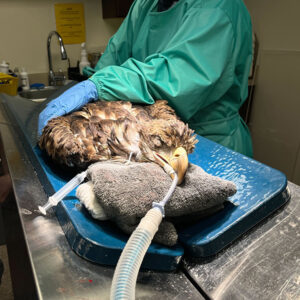
Protect Wildlife from Toxic Lead Ammunition
H.R. 556, a bill to prevent federal agencies from prohibiting or regulating the use of toxic lead ammunition and fishing tackle on certain public lands and waters, passed the House of Representatives on March 18. However, we are not done fighting this bill! Lead ammunition is a well-documented threat, leading to illness and death for millions of birds and other wild animals each year. Since there is no safe level for lead exposure, hunters, anglers, and their families can also be harmed. Please contact your US representative about their vote on H.R. 556 and urge your senators to oppose this bill.
Wildlife Management
Recent News and Articles