Volume: 70 Issue: 1
NIH Unveils Initiative to Develop and Disseminate Organoids
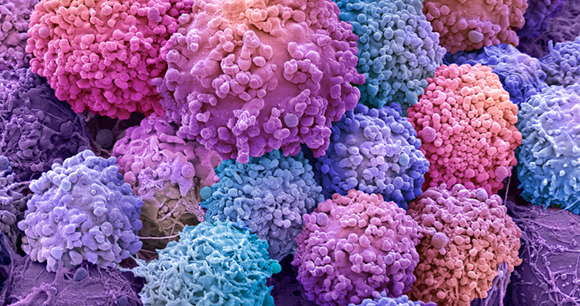
The National Institutes of Health plans to award $87 million in contracts to launch a Standardized Organoid Modeling Center. Organoids are collections of cells that serve as miniature three-dimensional models of various organs. They are among a suite of “new approach methodologies” (NAMs) that, increasingly, are allowing scientists to conduct research and testing without using live animals.
According to the NIH, the center will develop standardized organoids to “reduce reliance on animal testing [and] generate more precise results.” The plan is to focus initially on liver, lung, heart, and intestine organoids and later expand into brain, thymus, and other disease-specific models. To aid the effort, the NIH also plans to implement policies to ensure “consistency, transparency, and broad scientific benefit,” including openly sharing protocols and data and providing organoids at minimal cost to qualified US researchers.
See more AWI Quarterly articles about: Animals in Laboratories
See more AWI Quarterly articles of type: Quick Read