Commercial Pet Trade of Terrestrial Wildlife
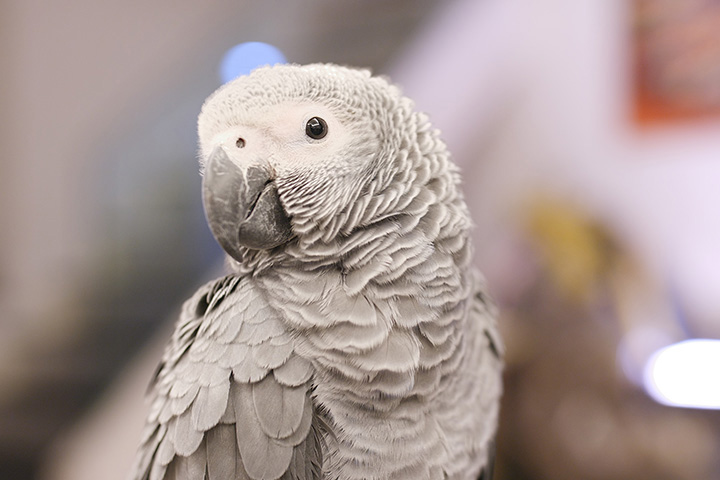
Photo by leungchopan
Overview
Few customers in pet stores—seeing parrots, reptiles, spiders and newts—realize that these animals are the survivors of a trade that kills many millions of animals per year.
Take Action: Defend the Big Cat Public Safety Act!The Pet Trade
In the homes of pet owners, many wild-caught birds, especially large parrots, fail to adjust to captivity and die from a variety of illnesses, from salmonella contracted in quarantine stations to lethal wasting diseases. Conversely, captured animals may live too long for their newly confined status. Many animals, such as macaws, cockatoos and some reptiles—if they survive the initial shock of capture and confinement—can live to an advanced age and may easily outlive their caretakers.
The keeping of snakes and reptiles as pets is a growing trend in the US and elsewhere, involving the removal of thousands of these animals from the wild. Difficult-to-control illegal trade, in particular, endangers many species. Snakes and other reptiles may be illegally captured in states protecting them, then transported to other states that allow sale of the reptiles. Poached rare reptiles may also be misrepresented as having been bred in captivity to avoid prosecutions via the Lacey Act—a federal law to combat illegal trafficking in wild plants and animals. Many of these illegal reptiles are sold via the Internet, where a huge market for reptile pets has developed.
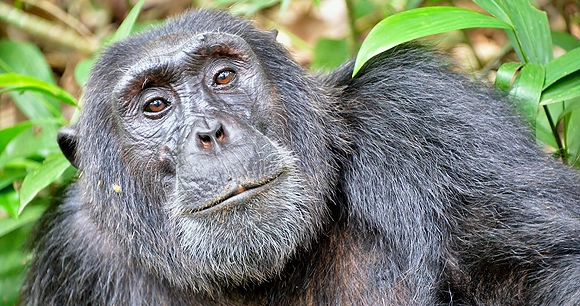
Similarly, there has been an alarming rise in the ownership of large exotic pets—tigers, primates and other large non-native mammals; there are more captive tigers in private facilities in the US than in the wild. The ease with which consumers can purchase exotic animals varies from state to state—with some states exercising no controls whatsoever. Although the importation of primates for the pet trade was banned in the US in 1975, intra-state trade is still legal and pet monkeys are still advertised—many of whom are brought into the US illegally by travelers to tropical countries.
Animals who have been imported into this country can wreak havoc on native populations when they escape or are released. Control measures are often inhumane, difficult, or from a practical standpoint, impossible. The population of Burmese python in the Florida everglades is now considered at a level where they cannot be eradicated, meaning that this fragile ecosystem is forever changed due to the actions of a few heedless pet owners.
Trade Leading to Extinction
Domestic trade in live animals and the products made from them threatens many species with extinction. In a classic pattern, wildlife (and plants) are captured or extracted from their natural environments until they become rare. This rarity adds to their value, and in many cases, such as exotic cage birds, live reptiles, and amphibians, the rarer they become, the more they are sought after, increasing their value.
Much of this trade is to supply collectors who have a desire to own rare birds, frogs, lizards, turtles or snakes, with no regard as to the effect on wild populations. For others, such as snakes and lizards killed for their skins to be made into exotic leather products, one species is exploited until it becomes commercially extinct, and then non-endangered species are exploited until these, too, become endangered.
Domestic wildlife trade in the US is practiced for the exotic pet trade, to supply laboratories and schools with frogs and other animals for research, for fur, and for food and traditional medicine.
Market Losses: Trading Bears and Bullfrogs
The domestic and global trade in bear parts is putting increasing pressure on black bears in the US. Across the country, bear carcasses have been found with the gallbladders ripped out, the paws cut off, and the remainder of the slaughtered bear left to rot. An underground, illegal black market trade exists where bears are poached in one state and the gallbladders and paws (and sometimes claws and teeth) are either sold nearby, smuggled to another state and sold fraudulently as parts of a legally killed bear, or covertly exported out of the country for sale internationally. A complex global web supports the bear parts trade: American bear parts are consumed domestically and exported overseas; European, Asian, and other bears are killed in the wild and sold internationally; and farmed bile from Chinese bear farms is smuggled out of China to the US and elsewhere for illegal sale.
The removal of frogs from the wild can devastate frog populations and their ecosystems. Bullfrogs and other frogs are collected from the wild and sold to schools and other institutions for research. Thousands are taken every year, with little attempt to monitor or mitigate the impacts. Hundreds of thousands more are removed from the wild to satisfy the demand for frog legs, again without regard for the effects these removals have on ecosystems. When trade is involved, there is also the additional threat of spreading diseases when non-native frogs are released or escape. Amphibians worldwide are already experiencing one of the biggest die-offs in history, due to the devastating effects of the amphibian chytrid fungus (Batrachochytrium dendribatidis). It is one of the main reasons why more than one-third of the nearly 6,000 known amphibian species worldwide are threatened with extinction.
International Trade
International trade in wildlife generates billions of dollars annually and is a continuing threat to the survival of countless animal species. The diverse trade includes live animals (and plants), as well as goods derived from their parts, for such purposes as food and medicine, clothing, jewelry and other ornaments, research, and for entertainment—such as for exhibition in zoos and as exotic pets.
Illicit wildlife trade can be highly profitable, and was linked in a 2008 US Congressional Research Service Report to organized crime and drug trafficking. It is notorious, in fact, for being the third most lucrative illegal commerce behind drugs and arms trafficking. When humans covet threatened and endangered species or their parts, it puts tremendous pressure on ecosystems and their inhabitants.
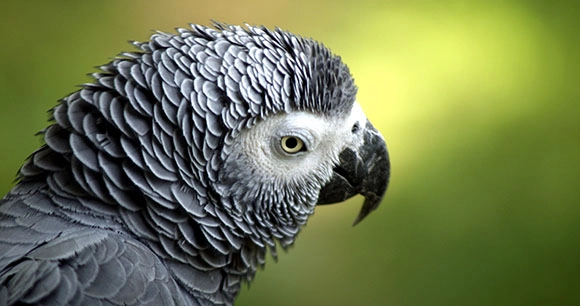
Together with mounting devastation from poaching and habitat loss (including losses resulting from human-induced climate change), local populations are being severely depleted; in many cases, entire species are nearing extinction. Some, like the Japanese sea lion, hunted for the use of its organs in traditional medicines, have been completely wiped out. India’s already endangered tigers are further threatened by demand from abroad for their skins, claws, teeth, bones and other body parts for perceived medicinal benefits. The African grey parrot, an incredible mimic, found in East, Central and West Africa, continues to be illegally trapped for the international wild bird trade. Bears, especially the endangered Asiatic black bear, are targeted for their gallbladders and bile, which are used in traditional Asian medicines and cosmetics. An estimated 73–100 million sharks are killed yearly to meet the demand for shark fin soup, a Chinese delicacy, leading to the depletion of many shark species.
Bird Trade
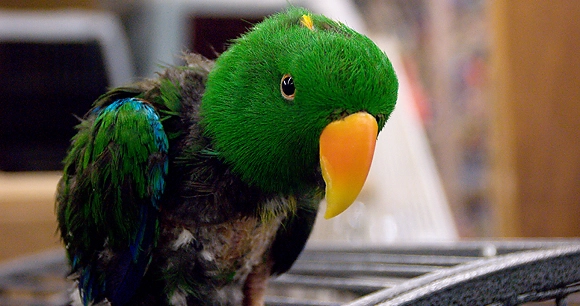
Although wild birds in the US may be protected under the Wild Bird Conservation Act (WBCA), Endangered Species Act, and the Convention on International Trade in Endangered Species of Wild Fauna and Flora, millions of wild birds are still smuggled illegally and traded on the black market to meet the demand for the pet trade, collectors and bird fighting. Parrots and other caged birds represent the largest group of captive wild animals in the United States, and they are the fourth most popular animal kept as pets—after dogs, cats and fish. The impact of the global trade on wild bird populations, particularly parrots, has been devastating. Today, nearly one-third of all parrot species are threatened with extinction due to habitat loss and collection.
In the US before the passage of the WBCA in 1992—which instituted a ban on exotic bird imports into the country, except under strictly regulated circumstances—there were no restrictions on the practice of capturing birds for the pet market. An estimated 800,000 wild-caught birds were imported annually into the US to be sold as pets, and this staggering number did not include the countless birds who died during capture and transport. In 2007, the European Union also banned the import of wild-caught birds because of fears about the transmission of bird flu, incidentally saving millions of wild birds from capture and trade. However, many other countries still allow the trapping, export and/or import of wild-caught birds for the domestic and international market. The global bird trade is driven not only by the popularity of birds as pets, but also by poor regulation and enforcement, as well as poverty in many of the countries where desired species live.
The Rise of Breeding Facilities
While the WBCA effectively curtailed the flow of wild-caught birds into the US pet trade, the demand for exotic birds as pets did not diminish. Domestic bird breeders accelerated their operations to meet the continuing demand, with some parrot species garnering thousands of dollars each. While many people are familiar with the inhumane nature of puppy mills—dog breeding operations where animals are overbred, overcrowded, and often poorly cared for—most are unaware of mass-breeding bird facilities. Lack of awareness on the part of consumers, coupled with inadequate law enforcement measures to protect captive birds, have allowed low welfare bird breeding facilities to become firmly established.
Industrialized operations often house hundreds of birds in rows of barren cages, depriving these social and intelligent creatures of enrichment or interaction. Even some hobby breeders are cause for concern, due to their often limited knowledge about birds’ needs and their interest in profiting from a sale, which can override considerations for bird welfare. Furthermore, with the convenience of the Internet as a means to buy and sell birds, badly managed breeding facilities masked by online venues can proliferate unchecked.
To increase productivity, breeders sometimes remove eggs or newly hatched birds from their parents, which encourages those parents to produce more offspring. The unweaned hatchlings are hand-reared by humans and—to reduce breeders’ costs—are often sold to pet stores, where they are frequently fed by inexperienced staff. Though stores may provide some training for prospective owners on the hand-feeding process, birds can suffer serious injuries, such as crop burns, infections, drowning and starvation, if feeding is done improperly.
Breeders and pet stores falsely market these hand-reared birds as friendlier and better able to bond with humans as a result of early exposure. However, removing a fledgling from his or her parents is inhumane; in the wild, baby parrots stay with their parents for months. It can also lead to many physical and behavioral problems, such as feather plucking and aggression.
Myth of “Domesticated” Birds?
Exotic birds are not “domesticated” even when they are bred in captivity. Unlike dogs and cats, parrots retain their wild needs and instincts. Many consumers purchase parrots when the birds are very young and are often given inadequate information on their care. Consequently, owners are seldom able to provide the considerable time, attention and financial resources that these birds require. Owners may find themselves unwilling or ill-prepared to give lifetime care for a bird who can live 60 years and beyond.
Although some bird species are marketed for their ability to speak, the novelty can wear off after purchase, or the bird may not perform as expected and becomes a “nuisance.” Unwanted birds suffer neglect, relinquishment to shelters, or in some cases, a short-lived freedom after being released to face unsuitable weather conditions, starvation and predation. Even when birds who are intentionally or accidentally released survive on their own, they can threaten the environment and native wildlife.
Take Action for Terrestrial Wildlife

Defend the Big Cat Public Safety Act!
A new bill in Congress seeks to weaken the Big Cat Public Safety Act, which ushered in historic protections for big cats when it was signed into law in 2022. If enacted, H.R. 7159 would line the pockets of special interests at the expense of big cats. We need your help to protect the humane, commonsense, and effective BCPSA. Please contact your federal representative and urge them to oppose H.R. 7159!
Commercial Trade
Recent News and Articles