Volume: 73 Issue: 4
Approved Toxin Test Bypasses Horseshoe Crab Bleeding
In a welcome development, non-animal-derived reagents have been approved for endotoxin testing by the United States Pharmacopeia (USP) Microbiology Expert Committee, and the approval is expected to become official in May 2025. As reported in the winter 2021 and winter 2022 editions of the AWI Quarterly, every year in the United States, hundreds of thousands of horseshoe crabs are taken from the wild and drained of nearly a third of their blood to create a reagent to test for endotoxin contamination in drugs, vaccines, and medical devices. The animals are returned to the wild, but the debilitating procedure ultimately results in the death of tens of thousands of them.
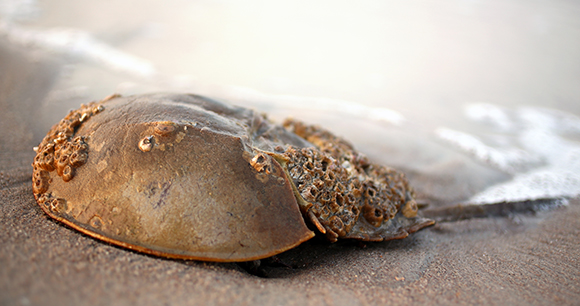
Along with its obvious impact on animal welfare, this annual harvest is contributing to a significant decline in the horseshoe crab population. This, in turn, deprives other animals—including the red knot, an endangered migratory shorebird—of a vital food source: nutrient-rich horseshoe crab eggs. Approval by the USP of non-animal-derived reagents as an acceptable alternative to the (still accepted) test derived from horseshoe crab blood will hopefully mean that fewer crabs will be used in the future. This approval will finally bring the United States in line with other global pharmacopeias, which approved the safe, dependable synthetic reagent several years ago.
See more AWI Quarterly articles about: Animals in Laboratories
See more AWI Quarterly articles of type: Quick Read