Volume: 74 Issue: 4
Administration Opens ANWR to Oil and Gas Exploration
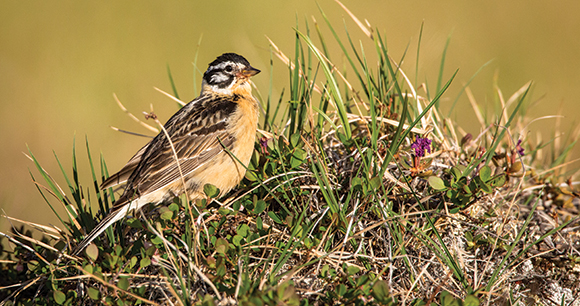
In October, the Trump administration finalized plans to open the coastal plain of the Arctic National Wildlife Refuge (ANWR) to oil and gas development. Designated as a protected area in 1960 and expanded in 1980, ANWR is a region of stunning biodiversity that provides habitat for an estimated 700 species of animals and plants, including more than 200 migratory and resident bird species. The coastal plain is also sacred to the Gwich’in people, who have relied on the area’s migratory Porcupine caribou herd for millennia.
Alaska’s highest density of polar bear dens is also on the coastal plain—an increasingly critical birthing area as sea ice melts. The seismic testing commonly used to locate oil and gas resources, however, can cause polar bear mothers to abandon their dens early, when their cubs are still too young to survive in the open under harsh winter conditions. Moreover, oil from spills can collect in polar bear fur, be ingested during grooming, and lead to kidney failure, digestive disorders, and brain damage.
During President Trump’s first term, the administration similarly attempted to monetize ANWR by conducting the first-ever sale of oil and gas leases in the region. At the time, AWI submitted extensive comments identifying a variety of issues, including the impact on irreplaceable wildlife, global warming, air and water quality, and Indigenous communities. (See AWI Quarterly, fall 2018). This extremely fragile and ecologically vital region should not be sacrificed to a shortsighted and destructive focus on fossil fuel production.
See more AWI Quarterly articles about: Human Activities and Threats, Marine Wildlife, Terrestrial Wildlife
See more AWI Quarterly articles of type: Quick Read