Developing Alternative Mitigation Systems (DAMS) for Beavers Act
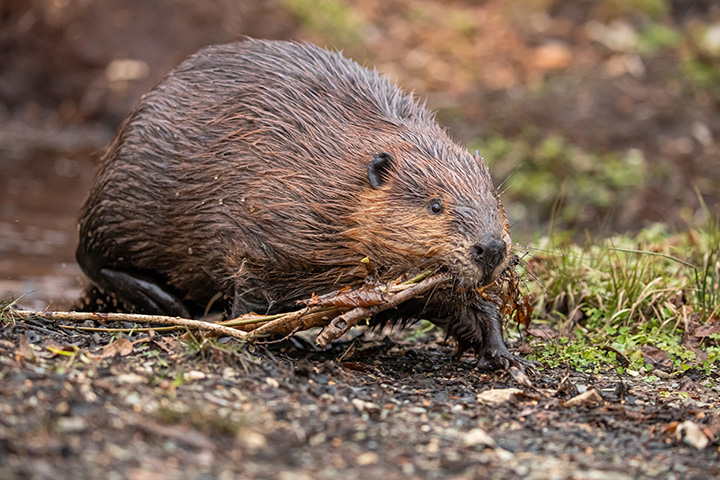
Photo by Brittany
Overview
The Developing Alternative Mitigation Systems (DAMS) for Beavers Act was first introduced in 2022 to advance the use of nonlethal beaver conflict-mitigation methods nationwide. The legislation reflects growing recognition of beavers’ ecological importance and the need for humane, cost-effective solutions to human-beaver conflicts.
The DAMS for Beavers Act would create a federal grant program to support the use of nonlethal devices that can successfully prevent damage while allowing beavers to thrive. The program would help cover costs for communities, tribes, landowners, conservation organizations, and others to install and maintain effective, cost-efficient, nonlethal coexistence systems that protect property while preserving the ecological benefits beavers provide.
Once trapped to near extinction for their fur, beavers have recolonized streams throughout the country. Although often considered “nuisance wildlife,” this narrative has shifted significantly in the last few years. Beavers are a particular type of keystone species known as “ecosystem engineers”—their dams create ponds and wetlands that help replenish groundwater, serve as buffers against wildfires, and provide habitat for a wide variety of wildlife. Beavers have even been recognized as partners in the fight against climate change, as their dam-building helps sequester carbon.
Unfortunately, beaver activity can also damage property when they fell trees or build dams that flood nearby roads or agricultural fields, resulting in repair costs for local governments and property owners. As a result, tens of thousands of beavers are trapped, snared, and shot each year across the country, despite the availability of effective, economical, long-lasting, and ecologically beneficial nonlethal measures.
Trees can be shielded by encircling them with wire mesh fencing or coating their trunks with a mixture of paint and sand that deters chewing. Roads can be protected from flooding by installing specialized pipes that allow water to flow through dams, thus maintaining acceptable pond levels. Taxpayers have saved hundreds of thousands of dollars in communities where repeated beaver trapping and damage repairs were replaced with such flow devices.
AWI has worked to expand the use of these methods throughout the country, garnering support for federal funding from more than 100 small businesses, wildlife groups, and tribes, representing 33 states and the District of Columbia. Beavers play a vital role in maintaining healthy ecosystems, and long-term, nonlethal solutions help support communities, promote climate resilience, and protect infrastructure.
Wildlife Management
Recent News and Articles